© 2026 Rentokil North America © RK Environmental Services – All Rights Reserved.
Something happens to wasp colonies around the middle of summer. A seasonal change in their behavior—from protein hunters to sugar seekers—draws them toward food distribution centers, where pallets of syrup, soft drinks, and baked goods move through open bays all day. For staff working those bays, this creates a genuine safety hazard.
The worst culprits are yellowjackets. Unlike many other wasps, they are aggressive and their colonies number in the thousands. While paper wasps and hornets can also be a concern, it’s the yellowjacket's unrelenting appetite for sugar and willingness to enter busy, high-traffic areas that make it the defining threat at a foodservice hub.
Without the right precautions, site operators face painful stings that can trigger serious allergic reactions, alongside the threat of costly service downtime.
The Mid-Summer Diet Switch
For most of the year, wasps and yellowjackets are hunters. Throughout spring and early summer, the colony focuses on raising young, and developing larvae need protein. Adult workers spend their days capturing insects, caterpillars, and scraps of meat, then carrying that protein back to the nest. During this phase, they have little interest in the sweet products flowing through a food hub.
By mid-to-late July, the colony's priorities flip. The queen slows her egg-laying; fewer larvae need feeding, and the protein demand drops sharply. At the same time, the colony, with thousands of workers, craves carbohydrates for its own energy and goes looking for sugar.
This is when a distribution hub becomes a target. The same syrups, sodas, juices, and baked goods that were ignored a month earlier suddenly become a concentrated food source. That's why infestations in July feel so sudden and severe: it isn't that the wasps arrived overnight, it's that an established, peak-strength colony abruptly redirected its attention toward anything sweet on your dock.
How Wasps Actually Behave
For all the disruption they cause, wasps are creatures of habit—and that works in your favor once you know what to look for:
- They forage by scent and memory. A single worker that finds a sugar source will return to the nest and effectively recruit others to the same spot.
- They are most active in warm daylight hours. Wasp activity peaks during the hottest, busiest part of the shift—exactly when dock doors are open, and product is moving.
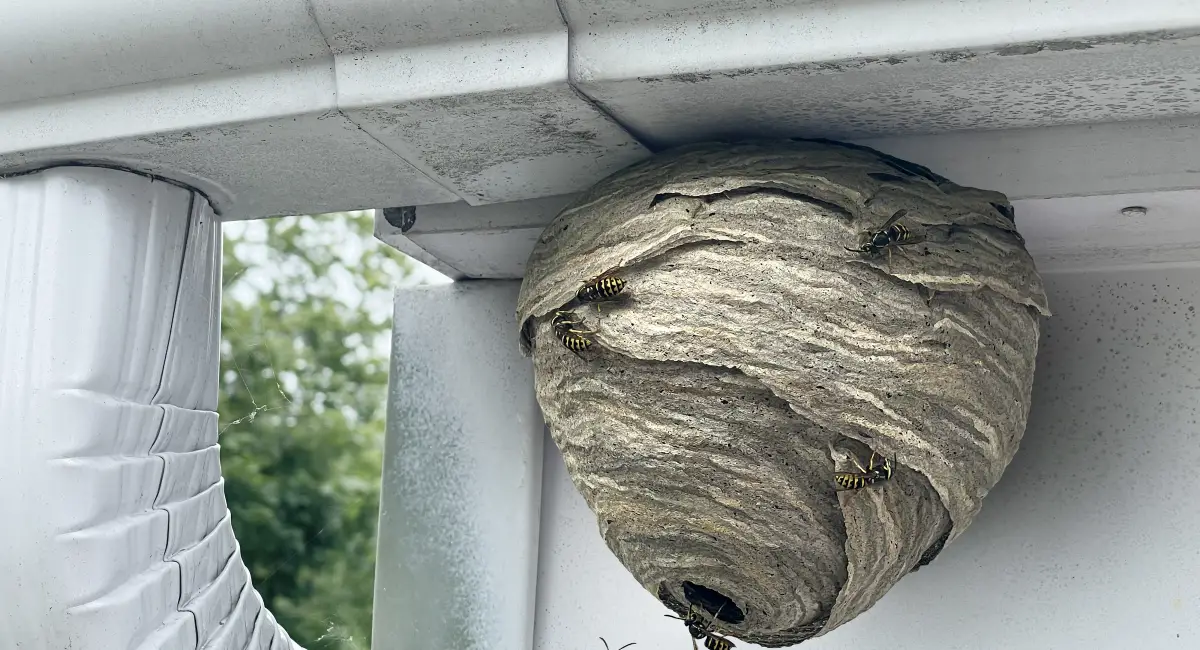
- They nest out of sight. Yellowjackets often build nests in the ground, in wall voids, under loading platforms, or in roof lines.
- They are highly defensive near the colony. Wasps tolerate foraging interruptions, but anything close to the nest provokes a fast, coordinated defensive response.
These habits explain why even a spotless facility can still get hit hard. Sanitation tackles what's on the surface, but a colony nesting deep in a structural void will keep sending foragers to your dock regardless of how clean it looks.
The Worker Safety Risk
Unlike honeybees, yellowjackets can sting repeatedly without dying, and a large colony defending a food source is aggressive by nature. For dock and warehouse teams, the dangers include:
- Repeated stings cause significant pain, swelling, and lost work time.
- Allergic reactions can escalate quickly to life-threatening anaphylaxis.
- Startle incidents near forklifts, dock plates, or elevated platforms can cause falls and equipment accidents.
That last point is often the most serious. When a worker is swarmed near moving machinery, the instinctive reaction can turn a pest issue into an injury report. This is why wasp activity belongs in your occupational safety planning and should be treated with the same seriousness as any other workplace hazard. A structured commercial pest control approach, therefore, serves as both a vital safety protocol and a compliance necessity.
The Compliance Connection
Food distribution facilities operate under growing scrutiny from customers, auditors, and regulators, and visible pest activity raises questions that extend well beyond the insects themselves. For wasps, that scrutiny falls into two areas: food safety and worker safety.
On the food safety side, the Food Safety Modernization Act (FSMA) requires rigorous preventive controls to keep products free from pests. Stray sugar spills or an active infestation signal a breakdown in those controls and can trigger audit failures. So, as you evaluate your summer readiness, ask yourself: Are your current loading dock spill protocols robust enough to meet FSMA preventive control standards during peak pest season?
On the worker safety side, the Occupational Safety and Health Administration (OSHA) agency holds employers responsible for maintaining a hazard-free workplace—a standard that an active nest near high-traffic areas clearly violates. Fortunately, a single, documented pest control strategy covers both obligations, so meeting one helps you meet the other.
Immediate Logistics Actions
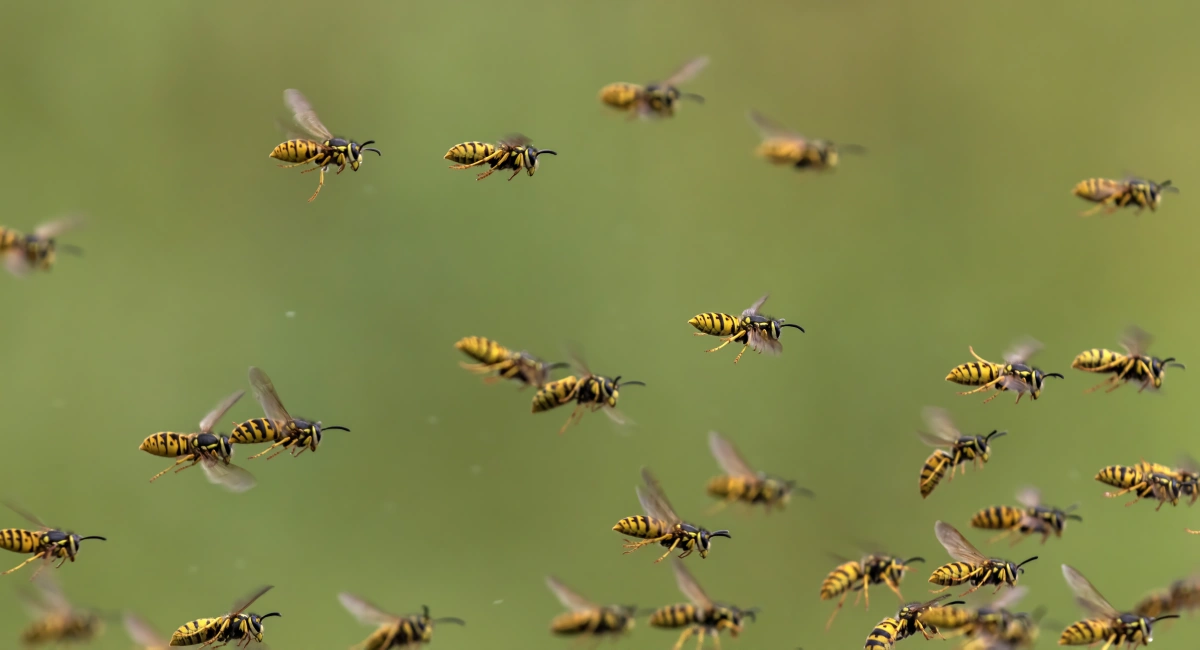
Many facilities treat wasp activity as a simple, three-step problem: find the nest, treat the nest, and move on. However, this reactive approach ignores the bigger picture. To deter foragers, you must deny them the sugar they crave. That requires auditing your:
- Waste handling practices
- Spill response procedures
- Structural vulnerabilities
- Dock management practices
- Outdoor sanitation standards
When combined with an integrated pest management approach, fine-tuning these process controls can minimize both immediate pressure and long-term risk.
Where Prevention Meets Professional Support
Housekeeping removes attractants, but it can't reach a nest built in a wall cavity, roof line, or the ground near your perimeter. Mature yellowjacket colonies can hold thousands of individuals, and removing them without training is dangerous. That work calls for professional prevention, including exclusion to seal entry points, monitoring to catch activity early, and properly timed treatment to remove nests safely.
Implementing these measures as part of a wider food safety and compliance program ensures that wasp management strengthens your audit trail. It shows that you are doing more than just clearing nests—you are building verified, transparent records that support any audit.
Prepare for the Predictable
Helpfully, the mid-summer sugar switch follows a predictable schedule. Hubs that anticipate it by tightening spill response and nest monitoring before activity peaks tend to weather the season with far fewer disruptions than those waiting for the first sting report.
Walk your docks with both wasp behavior and regulatory expectations in mind, noting where spill response, waste handling, or structural sealing could be tightened. Protect your people, protect your product, and keep your distribution schedule moving through the height of wasp season.
Plan ahead to prevent wasp invasions in July. Connect with RK Environmental to evaluate your loading dock and perimeter risks and put a tailored commercial pest management program in place before activity peaks.
Book Your Free Pest Inspection Today
Our local technicians will assess your property and recommend tailored solutions. Fast, friendly, and completely obligation-free.
- Safe, targeted treatments
- Local experts, fast response
- Trusted, trained technicians