© 2026 Rentokil North America © RK Environmental Services – All Rights Reserved.
For food and pharmaceutical manufacturers, warehouses, and distribution centers, rodent risks can change with little warning. Nearby construction, demolition, and infrastructure work can disturb burrows and travel routes. Rats may then move toward these facilities for shelter and essential resources.
Warmer conditions, denser development, and less vegetation can also affect where rats live and how they move. Facilities in major cities should review rodent risks as conditions around their properties change.
The Shifting Urban Environment and Rising Rodent Pressures
A 16-city study published in Science Advances found significant increases in rat activity in 11 cities, including New York City, Chicago, and Boston. It measured activity through public complaints and inspection records, not direct rat population counts.
Rising average temperatures were the strongest predictor of increased activity. Increased development and larger human populations were also linked to the trend. Warmer conditions may give rats more time to forage and reproduce.
The study does not establish how individual rat species behave at a specific commercial property. However, it highlights a wider operational concern: urban conditions are changing, and historical assumptions about the location or timing of rodent activity may no longer be reliable.
Pharmaceutical plants, grocery distribution centers, and retail warehouses should consider these external conditions when reviewing their commercial pest-control programs, because local development, seasonal trends, and changes to nearby properties can all affect facility-level risk.
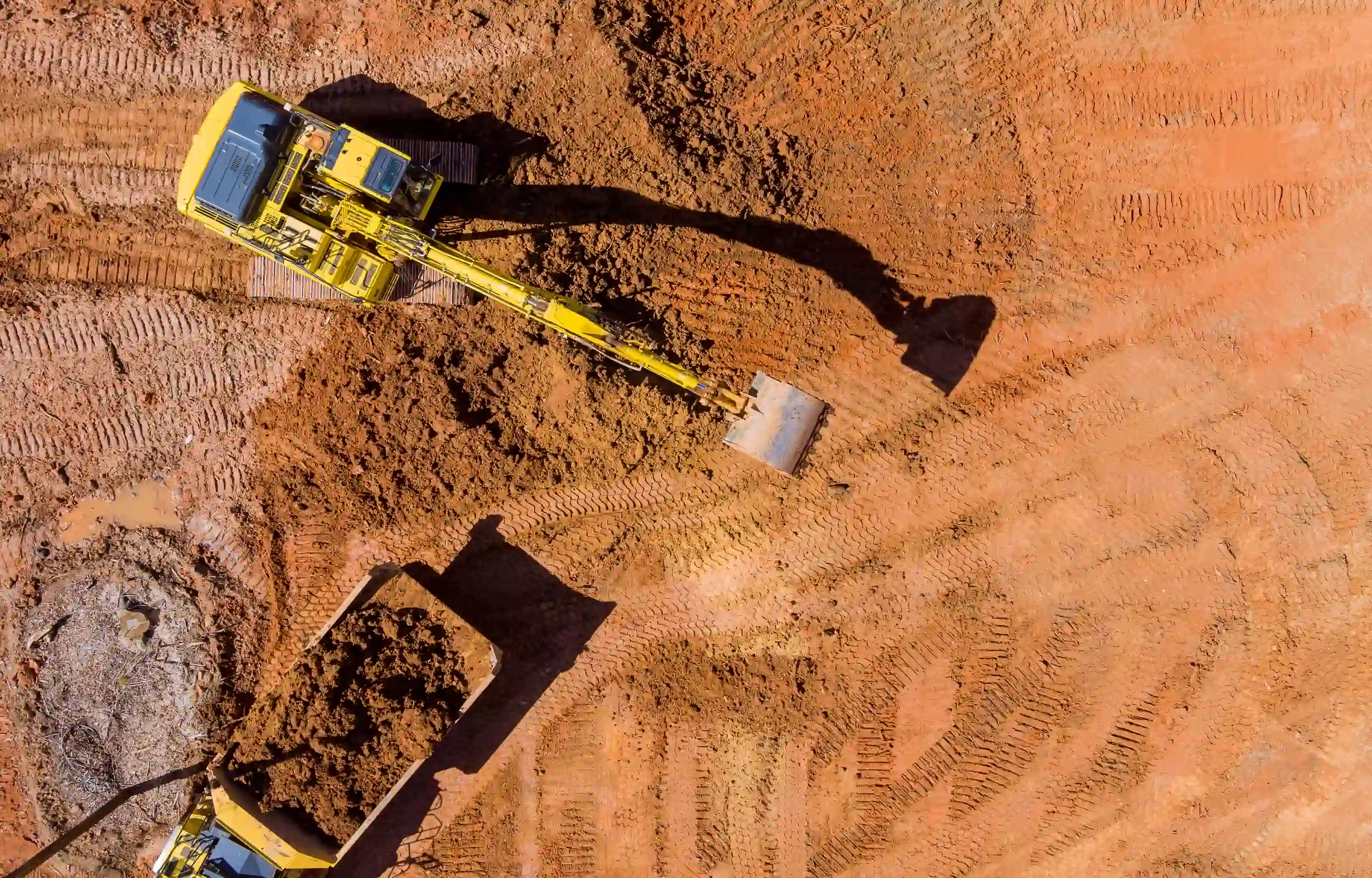
How Construction and Demolition Displace Rodent Populations
Nearby construction and demolition can disturb rodent burrows and shelter, pushing rats toward food and pharmaceutical sites. As urban areas become more built up, facilities may sit closer together or share industrial estates, delivery yards, and waste areas. This can expose several sites to activity from the same displaced rodents.
Risk can also arrive with incoming goods. Raw ingredients and other organic materials stored or handled near active development may be exposed to rodents before shipment. Good may arrive with signs of contamination or damaged packaging.
Facility teams should review shared-site risks and check incoming goods, particularly where suppliers report nearby development. Record findings and raise concerns with suppliers before goods enter storage or production.
Different Species Create Different Entry Risks
Rodent activity varies by region and site. Roof rats and Norway rats often use different routes into buildings, so inspections should cover both.
Roof Rats and Elevated Entry Points
Roof rats (Rattus rattus) are agile climbers. They can move along utility lines, fence tops, overhanging tree branches, and exterior wall conduits to reach upper levels of structures.
This makes roofs, parapets, and upper mechanical areas priority inspection zones. Entry points include gaps around soffits, vents, HVAC connections, and service penetrations. Inside, they can move through ceiling voids and wall cavities.
Norway Rats and Ground-Level Pressure
Norway rats (Rattus norvegicus) are found in burrows, drainage systems, foundations, and other ground-level habitats. Excavation may disturb these areas and redirect activity toward adjacent properties.
Potential entry points include foundation gaps, loading dock doors, utility penetrations, drains, expansion joints, and openings created by ground movement. Norway rats may also burrow near slabs, walkways, waste areas, or exterior storage zones.
An effective facility program should therefore address elevated, ground-level, and below-grade spaces.
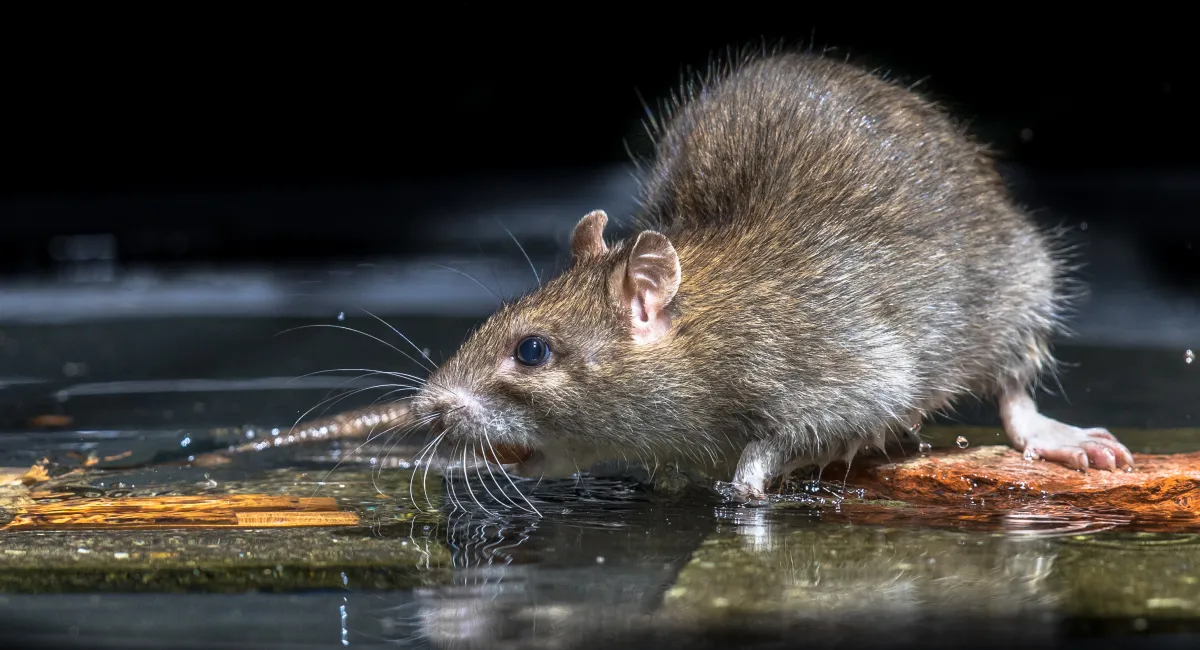
Where New and Renovated Buildings Become Vulnerable
Just because a building is new doesn’t mean it is automatically protected from rodents. Unsealed gaps, temporary openings, and unfinished utility connections can provide access. Renovations can also reopen sealed areas. Key areas to inspect include:
- Rooflines, soffits, vents, and rooftop mechanical connections
- Utility, cable, plumbing, and HVAC penetrations
- Loading docks, personnel doors, expansion joints, and foundation interfaces
Foam insulation, rubber flashing, and lightweight sealants are not always rodent barriers. Some openings may need reinforcement or materials designed to prevent rodent entry.
Before project handover, facilities, maintenance, pest management, and contractor teams should inspect these areas. Record unresolved gaps and assign repairs before they become recurring entry points.
Operational, Compliance, and Food-Safety Risks
Rodent activity can create operational, regulatory, and financial risks for manufacturing and logistics sites:
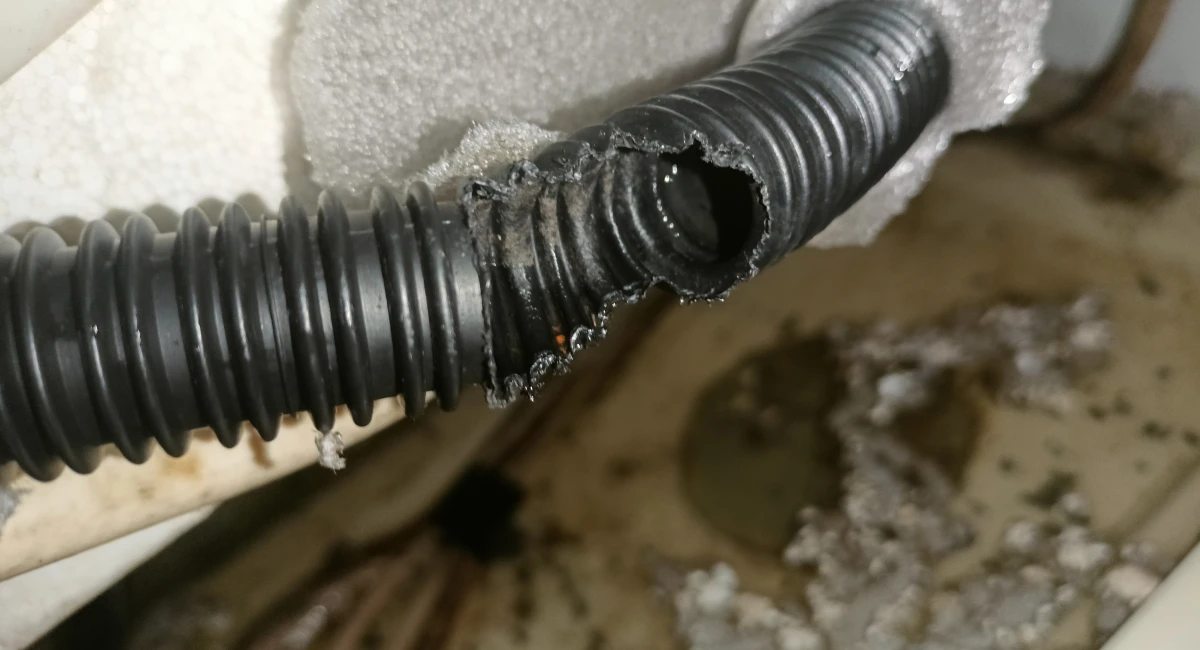
- Operational and Financial Disruption: Rodents can chew through electrical wiring, network cables, plastic piping, and insulation. Cable damage can trigger system outages, equipment failure, and significant fire hazards.
- Food Safety and Audit Non-Compliance: In food processing, pharmaceutical, and logistics environments, rodent intrusion risk audit failures under FDA regulations, Safe Quality Food (SQF) standards, and AIB International guidelines. Droppings, urine, and hair contaminate raw ingredients and finished goods, triggering costly product holds, recalls, and enforcement action.
- Brand Reputation: Disruption to customer order fulfillment or compromised product quality can permanently damage supplier relationships and corporate reputation.
Adjusting IPM as the Surrounding Environment Changes
An Integrated Pest Management program combines inspection, exclusion, sanitation, monitoring, and corrective action. When conditions change nearby, the program should be adjusted to reflect the new exposure rather than continuing with the same inspection routes and monitoring coverage.
1. Reassess the Facility Risk Map
Review areas facing construction, demolition, utility work, vacant buildings, or disturbed vegetation. Compare these conditions with sightings, monitoring records, and building inspection findings. Include both upper-level and ground-level routes.
2. Verify Exclusion at Vulnerable Areas
Check the building's exterior for gaps and use materials suited to each opening and the risk of rodent entry. Keep branches away from roofs and upper structures. Check exclusion work after construction, maintenance, or utility projects that may reopen sealed areas.
3. Use Monitoring Data to Identify Change
Monitoring should show where activity is changing and whether corrective actions are working. Place devices to cover identified risks across the site. Where suitable, digital monitoring can provide automated alerts and more detailed trend data.
4. Control Exterior Attractants
Waste, standing water, dense vegetation, and unused materials can attract displaced rodents. Keep waste containers closed, correct water sources, and store materials away from vulnerable walls and entry points. Review these conditions more often during nearby excavation or demolition.
Reviewing Risk as Conditions Change
Facilities should review whether monitoring, exclusion, and sanitation measures reflect current conditions around the site. RK Environmental can help assess changing risks and identify practical adjustments to protect operations and support compliance.
Contact us today to schedule a comprehensive site evaluation and fortify your facility against seasonal and construction-driven rodent risks.
Book Your Free Pest Inspection Today
Our local technicians will assess your property and recommend tailored solutions. Fast, friendly, and completely obligation-free.
- Safe, targeted treatments
- Local experts, fast response
- Trusted, trained technicians