© 2026 Rentokil North America © RK Environmental Services – All Rights Reserved.
Three Problematic Rodents in the Business World
- The three main rodents affecting businesses are house mice, Norway rats, and roof rats, all of which thrive in commercial environments with access to food and shelter
- House mice are extremely small and can enter buildings through gaps as narrow as a pencil, making exclusion difficult in busy facilities
- Norway rats are burrowing pests that often live in basements, drainage systems, and ground-level storage areas, posing serious contamination risks
- Roof rats are strong climbers that typically infest upper areas such as roofs, attics, and upper storage spaces, especially as they can gain access via trees or utility lines
- All three rodents can contaminate food, damage inventory, and spread disease, making them a major compliance and operational risk for businesses
A common rodent problem can compromise hygiene, safety, and legal compliance in commercial pharmaceutical and food facilities. Walk-in coolers, dry storage rooms, utility spaces, and loading docks are all vulnerable to infestation, providing access routes, shelter, and food. Rodents can damage products at any point, whether at source, during production, or in transit. Their presence can compromise product integrity, disrupt workflow, and heighten the risk of regulatory violations.
Regardless of your industry, stopping infestations before they start is the best way to protect your inventory, comply with safety regulations, and protect your reputation. Furthermore, understanding the rodent species you might encounter in commercial food and pharmaceutical facilities, the harm they can cause, and the most effective prevention strategies can help to safeguard your business and keep you ahead of potential infestations.
Why Are Common Rodents a Threat to Businesses?
Rodents create problems wherever sanitation and product safety are critical. In food service, retail, and healthcare settings, they put products, staff, and customers at risk. Worse still, they can spread harmful bacteria and diseases through surface contamination in commercial kitchens or during food or drug processing. Their actions can lead to contaminated products, failed audits, regulatory penalties, and even forced shutdowns, causing financial loss, reputational damage, and serious operational risks for food retail, processing, hospitality, pharmaceutical, and healthcare businesses. In industries governed by standards like GMP and HACCP, even minor rodent activity can jeopardize compliance and put production or patient safety at risk.
Signs of a Rodent Infestation in Commercial Facilities
You might not see rodents during the day, but they leave behind clues. Look for droppings in food prep areas, under refrigeration units, or behind appliances in commercial kitchens. In warehouse storage or processing facilities, you may notice shredded packaging, gnawed materials, or nests in or around pallets. In pharmaceutical or healthcare environments, scratching noises in walls or above ceilings, especially near utility lines or equipment rooms, can also point to activity. Grease marks along baseboards and strong, unpleasant smells are other common signs of a rodent infestation.
Rodent removal tailored for businesses reduces the risks and will ensure your site is aligned with audit and regulatory standards. RK Environmental works with your staff to enhance and expand your pest control strategy to maximize the results.
Which Rodents are the Common Culprits?
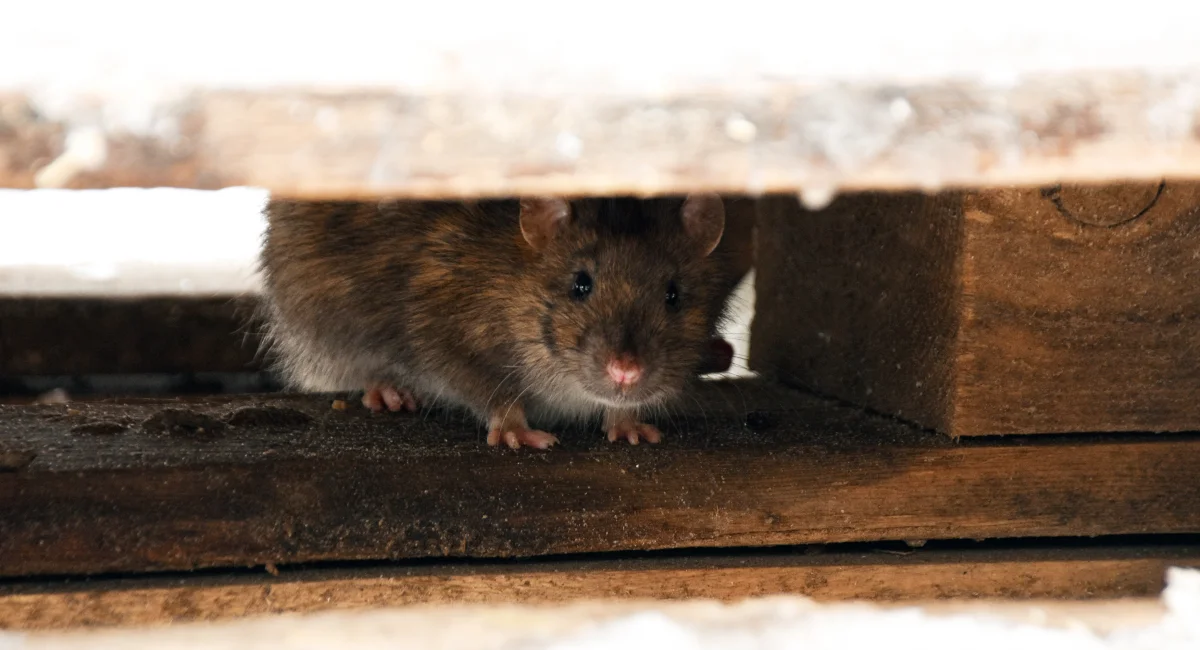
The most common rodents found across the East Coast are Norway rats, roof rats, and house mice. As opportunistic feeders, these rodents are always on the lookout for their next meal making food supply, food service, retail, hospitality, and pharmaceutical businesses prime targets. In environments where hygiene, product safety and compliance matter, you must stay vigilant if you want to keep them away. Making routine inspections for rodent activity a key part of your daily operations can help minimize risk. Below we outline some common rodent characteristics to help with identification.
House Mice
House mice constantly search for food, warmth, and a secure place to nest. They are light brown to dark gray, and typically measure between two to five inches. Because they can squeeze through openings as small as a pencil, you need to seal even the tiniest gaps to keep them out, especially in sensitive environments where GMP & FDA standards apply.
As nocturnal pests, mice are typically active at night. However, telltale signs, like gnawed baseboards, damaged food containers or cardboard boxes, and droppings, are indicators of a rodent problem. Mouse droppings are roughly a quarter inch long, pointed at both ends, and generally found in clusters near storage or prep areas posing sanitation risks under HACCP protocols.
While house mice will eat nearly anything, they prefer carbohydrates like grains, oats, rice, fruits, and seeds. They build nests near food sources, settling inside walls close to kitchens, pantries, and storage areas, putting inventory and compliance at risk.
Norway Rats
Norway rats are natural burrowers that prefer to live underground. They often nest near building perimeters, trash holding areas, utility rooms or heating systems. Also known as brown rats, street rats, or sewer rats, they access properties through service conduits or broken drains. These create critical control risks in FDA or HACCP audited sites.
They use their keen sense of smell to locate food and consume anything they can get their paws on. Norway rodents grow up to 11 inches long, have brown or gray fur, and can squeeze through openings as small as ¾ an inch. A single female can produce up to five litters per year so that they can spread incredibly quickly.
These rats are high-risk rodents, known to carry disease-spreading pathogens that can contaminate food and inventory. Watch for warning signs such as bite marks, greasy trails left behind, and scurrying sounds. Their droppings are larger, pellet-shaped, and less abundant than those of mice.
Roof Rats
Roof rats are typically only found outdoors, but their need for food and shelter can lead them inside during cooler months. Attics, roofs, and chimneys are favorite nesting spots. They are skillful climbers, and can easily navigate tree branches and power lines to reach rooftops or slip through small openings.
They are slightly smaller than Norway rats, growing up to 8 eight inches long. While they prefer seeds and plant-based foods, roof rats are also opportunistic eaters and will consume almost anything available. Their strong teeth enable them to chew through plastic, soft metals, and other materials to access food. Additionally, they are known for stashing and hoarding food supplies which can introduce contamination risks.
Common signs of an infestation include bite marks, electrical problems from chewed wires within walls and ceilings, greasy rub marks along their travel routes, and droppings approximately ½ inch long with pointed ends.
Rodent Removal Control Strategies for Businesses
To help avoid a rodent infestation, focus on keeping high-risk areas, like sterile labs and conveyor belts, clean, secure, and dry. Block entry points with steel wool or sealant, especially around floor drains, conduit lines, and wall joints. Regularly inspect under sinks, behind machinery, and near delivery areas. Taking these precautions will help deter rodents from entering your facility and save you both time and money in the long run.
- Norway rats: Fix leaks and secure exterior waste containers
- Roof rats: Trim back tree limbs and inspect upper-level access points
- House mice: Seal low-level cracks and improve storage safeguards
While routine maintenance helps reduce risk, DIY solutions are often only temporary. A professional approach provides enhanced protection and tailored recommendations based on your site layout and risk areas.
Who to Contact for Rodent Removal
A rodent problem can quickly escalate without professional help. Partnering with a pest control specialist like RK Environmental Services is a smart investment to protect your business. A trained technician will inspect your property, identify the rodent species, and implement effective solutions for both removal and long-term prevention.
While there are many indicators of a rodent infestation, the clearest sign is spotting a live or dead rodent. If you think you have a rodent problem, act fast and contact a pest control expert immediately.
Have you observed any of these warning signs? Reach out today to schedule a service through our contact page.
Frequently Asked Questions
Rodents are drawn to steady sources of food, water, and shelter. This often includes open food containers, poor sanitation, structural gaps, leaking pipes, and unsealed trash bins. Storage areas, service corridors, and loading docks are especially at risk if not properly maintained.
Rodents reproduce at a rapid rate. A pair of mice can produce dozens of offspring in just a few weeks, and rats can generate multiple litters per year. Without intervention, a small issue can quickly lead to a widespread rodent infestation that puts inventory, hygiene, and operations at risk.
Rodent activity typically increases in fall and winter as they seek warmth and shelter indoors. However, businesses that handle food or generate waste may experience issues year-round. Continuous access to food, water, and entry points can sustain an infestation in any season.
Book Your Free Pest Inspection Today
Our local technicians will assess your property and recommend tailored solutions. Fast, friendly, and completely obligation-free.
- Safe, targeted treatments
- Local experts, fast response
- Trusted, trained technicians