© 2026 Rentokil North America © RK Environmental Services – All Rights Reserved.
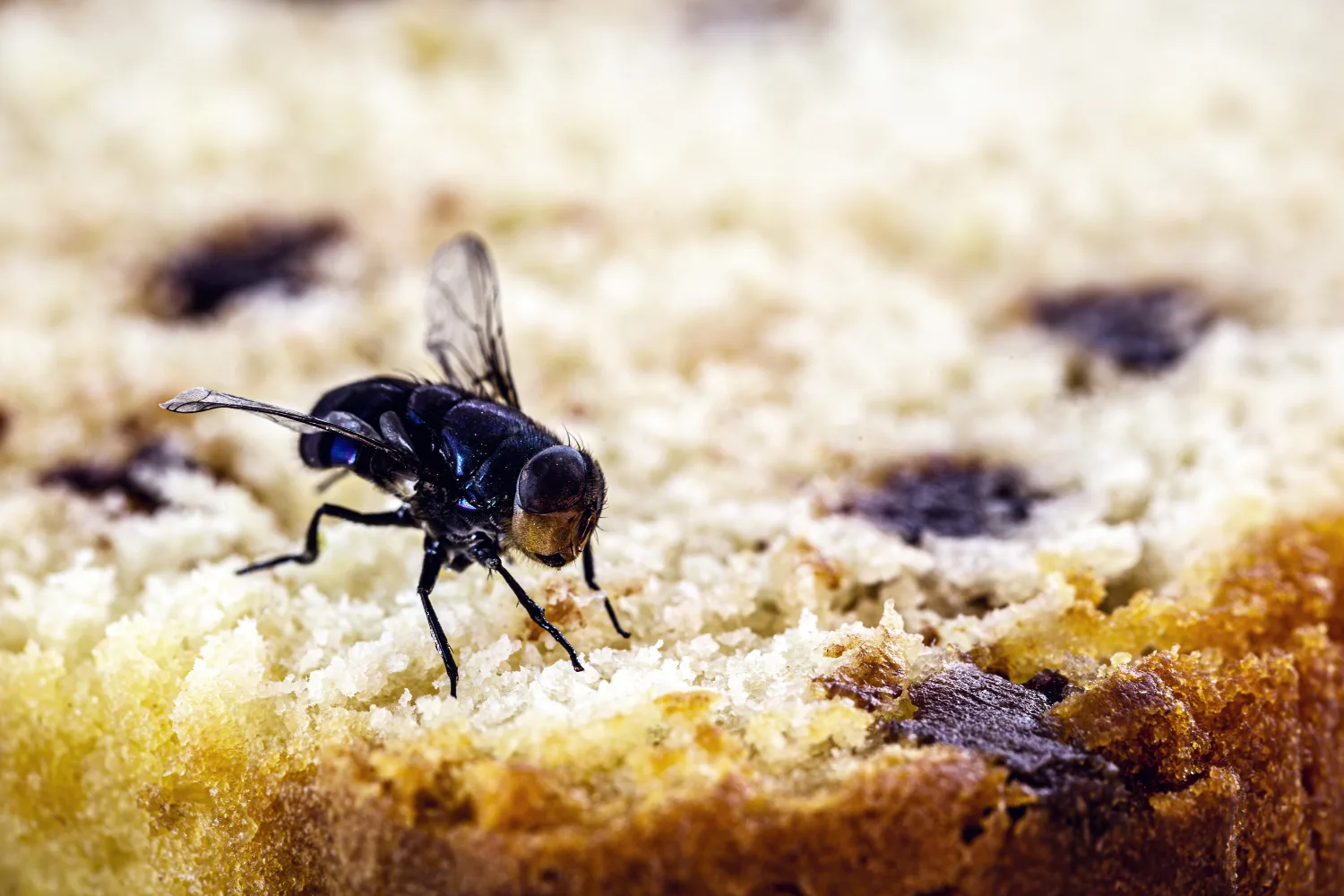
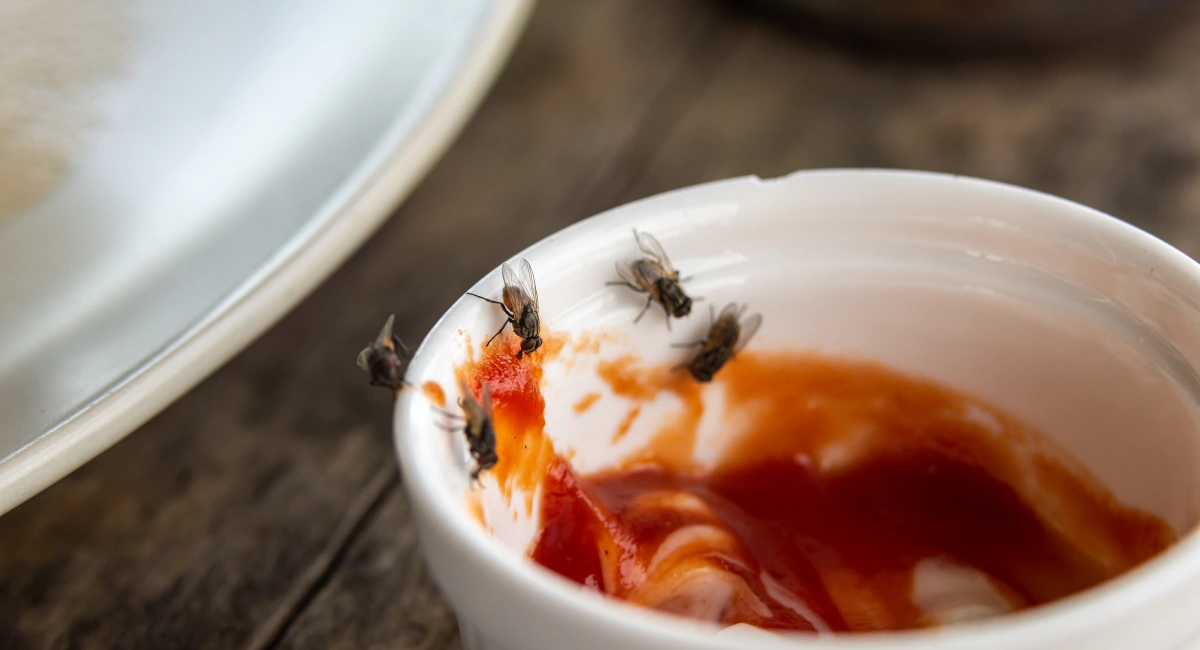
Filth flies are a group of flying insects that include house flies, blowflies, fruit flies, and flesh flies that feed on decaying organic matter, trash, and animal waste. As they move around, they transport germs and contaminate workstations and food preparation areas. This makes them not only annoying but bad for business.. To avoid health violations and reputational damage, you need to understand what attracts them and how to control them.
Professional fly exterminators can provide effective prevention and control services to ensure your building is sanitary and protected against infestations.
What Are Filth Flies?
There are around seven active filth fly species across the U.S. The name derives from their habit of breeding in garbage, feces, and dead animals. Their life cycle has four stages: egg, larva (maggot), pupa, and adult, which can be completed in eight days, given the right conditions. Filth flies have an acute sense of smell, using chemical receptors on their antennae to detect odors, even from over a mile away. Females can lay hundreds of eggs, resulting in large swarms that spread pathogens and get in the way..
Filth flies enter through cracks, open loading docks, doors, or windows, and breed in clogged drains, gutters, and sinks, where organic residue builds up. Keeping filth flies out of food-handling and pharmaceutical facilities is key to protecting product integrity and maintaining strict hygiene standards. Their presence can compromise food safety and put regulatory compliance at risk.
How to Get Rid of Filth Flies Effectively
Store-bought or homemade treatments, such as insecticide sprays or apple cider vinegar, can help keep flies away in the short term, but for effective, lasting fly control, you need targeted solutions and prevention strategies in place.
Call on our professional team at RK Environmental Services for comprehensive fly control solutions tailored to your situation. We will inspect your facility, identify what’s causing the fly issue, and create a custom filth fly extermination plan for long-term protection.
How to Prevent Filth Fly Issues
Filth flies generally hatch and mature outside before infiltrating indoor spaces. Prevent their entry by minimizing outdoor breeding areas and applying exclusion techniques. To effectively keep flies out, consider these suggestions:
- Screens: Ensure windows and vents have tight-fitting screens installed and are properly maintained.
- Exterior Doors: Close all exterior doors when not in use and confirm they are sealed tightly with no gaps or missing seals.
- Garbage Chutes: Always keep garbage chute doors shut when not in use. Chutes should be tightly connected to dumpsters and free from any exterior openings.
- Self-Closing Doors: Inspect the timing mechanisms on self-closing doors. Ensure that, when closed, these doors do not have any gaps allowing flies to enter. One common issue with public entryway doors is the astragal seal at the base where double doors meet. Flies can easily pass through this gap as they would through an open door. Pest-proofing seals are available for the astragal seal.
- Trash Containers: Choose trash containers with self-closing lids. These can help control odors that attract flies and stop flies from entering your home. Empty all containers regularly to maintain cleanliness.
Sanitation Methods to Reduce Filth Flies
To further reduce filth flies, maintain a sanitary environment around your business. Here are some sanitation methods we recommend:
-
Regular Cleaning: Clean surfaces and floors regularly, especially in kitchens and dining areas, to eliminate food residues.
- Apply ultraviolet light traps inside business areas: These should be placed no higher than five feet, away from windows or other light sources, and not visible from outside. Proper placement helps trap flies without interfering with workflow.
- Monitor for activity: Use sticky traps or light traps in unintrusive areas to track activity and locate hotspots. Prompt detection leads to a faster response before infestations grow.
- Trash Management: Empty trash bins frequently to block fly access to waste. Wash bins regularly to remove residues and odors that attract flies. Clean around and under dumpsters regularly.
- Drain and Moisture Control (bioremediation): Maintain drains to remove debris, and utilize drain covers to block fly entry. Repair leaks and remove stagnant water sources to minimize breeding grounds.
Fly Control Services You Can Trust
While preventive methods can work effectively, professional fly control is often necessary once an infestation is established. Acting promptly not only helps contain the problem but also maintains a safer and more comfortable environment for your customers and employees.
At RK Environmental Services, our pest control technicians inspect the entire site. They identify root causes, seal entry points, and apply targeted treatments inside and out to ensure your facility conforms to food safety standards.
Our customized plans might include proprietary fly stations or fly lights in key zones such as dumpsters, rear entrances, or food prep areas. These devices reduce fly numbers discreetly and effectively, without disrupting your business.
Are flies causing problems on your property? Contact RK Environmental Services today for a free estimate.
Commercial Pest Control Solutions
A multi-layered approach is the most reliable solution. Tighten entry points, maintain clean environments, treat key spots, monitor fly activity, and get professional support when needed. This prevents recurring infestations and protects both operations and reputation.
At RK Environmental Services, we see professional commercial pest control and food safety services as a key asset, and a smart investment, for your business. By targeting both visible pests and hidden breeding grounds, your business will stay protected long after the active infestation has been eliminated.
Frequently Asked Questions
Filth flies are strongly attracted to environments with abundant food, waste, and moisture. Trash bins, food scraps, drains, grease traps, and organic debris provide the ideal breeding conditions they seek. Even small gaps in doors, poorly maintained screens, or cluttered storage areas can draw them indoors, where they quickly multiply and create sanitation concerns.
“Filth flies” is a broader category that includes several scavenger fly species, such as bottle, flesh, and cluster flies. Unlike fruit flies or drain flies, filth flies thrive in unsanitary conditions, laying eggs in decaying organic matter and waste. Their feeding and breeding habits make them far more likely to spread bacteria and cause contamination in food-handling areas.
Yes. Filth flies are known carriers of dangerous pathogens because they breed in decaying matter, animal waste, and garbage. When they land on food preparation areas, utensils, or exposed ingredients, they transfer bacteria picked up from unsanitary surfaces. Since they regurgitate saliva to liquefy food before eating, every landing increases the chance of harmful microorganisms being left behind, raising the risk of foodborne illness.
Book Your Free Pest Inspection Today
Our local technicians will assess your property and recommend tailored solutions. Fast, friendly, and completely obligation-free.
- Safe, targeted treatments
- Local experts, fast response
- Trusted, trained technicians