© 2026 Rentokil North America © RK Environmental Services – All Rights Reserved.
Pests to Watch Out for in Food Processing Facilities
- Food processing facilities are highly vulnerable to pest infestations due to constant access to food, moisture, and shelter
- Rodents are a major threat, contaminating food supplies and damaging packaging and equipment
- Flying insects, such as house flies, can spread harmful bacteria and compromise food safety standards.
- Stored product pests, such as warehouse beetles and moths, damage grains, cereals, and dry goods
- Effective pest control relies on strong sanitation, monitoring systems, and Integrated Pest Management (IPM) strategies
Food production facilities have to manage a wide range of pest challenges every working day. Each site has different concerns and vulnerabilities based on location, activity, and commodity. However, some pests are consistently problematic across food processing, manufacturing, and distribution facilities. RK Environmental experts have outlined the most common pests to look out for and ways to deal with them.
Pest Control in Food Processing Plants: A Risk-Based Approach
A risk-based approach to pest control in food processing plants allows facilities to target the main areas of concern based on layout, product type, season, and historical pest trends. This method prioritizes surveillance and prevention rather than reactive treatments.
The goal is simple: reduce risk before pests become a threat. Integrated pest management (IPM) programs focus on limiting conditions that attract pests in the first place and using targeted monitoring tools to keep them away. For regulated industries, such as food and pharmaceuticals, this is not just best practice; it’s an absolute necessity to avoid failed inspections, penalties, and fines.
With our Audit Assured 365 program, you get a structured, compliant pest plan supported by real-time documentation and trained professionals who understand both pest management and audit expectations.
Common Pests Found in Food Environments
Understanding the pest challenges faced by others in your industry can provide valuable insight and help you identify potential risks at your facility. As you evaluate your pest management needs, this information can assist in refining your program to address the most threatening pest concerns. If you suspect that any of these common pests found in food environments might pose a problem at your facility, reach out to us before it’s too late.
1. Rodents
Rodents are among the most common pests in food environments, and infestation rates are increasing nationwide. Mouse populations are reaching unprecedented levels, and roof rats are expanding into new regions. Rodents can contaminate food, damage packaging, and put audit performance at risk.
2. Night-Flying Insects (Moths and Other Nocturnal Pests)
These pests are drawn to light and frequently enter facilities through open docks or unsealed entry points. They can disrupt operations, especially near illuminated workstations or loading areas, interfering with electrical units and contaminating automated production lines. Installing insect light traps (ILTs) can help reduce activity in hotspots.
3. House Flies
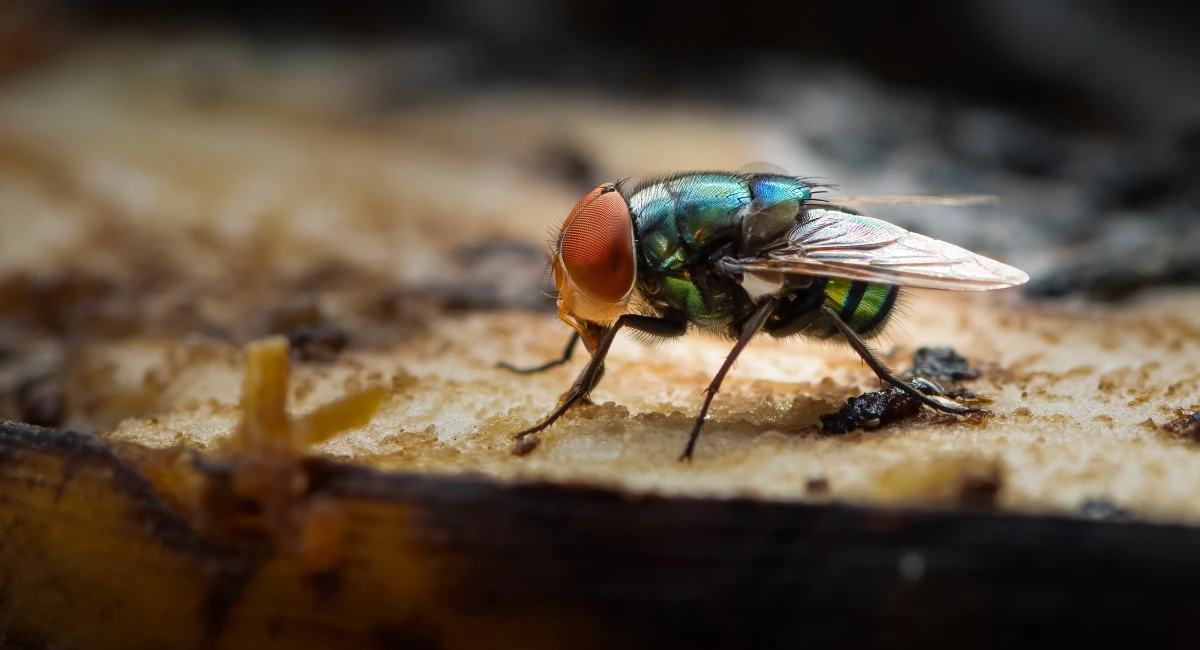
House flies carry bacteria that can transfer onto food and surfaces. According to the World Health Organization, flies can transmit over 65 known diseases. Even brief contact with food prep areas increases contamination risk. ILTs, air curtains, and proper sanitation are key to prevent fly activity and support food safety standards.
4. Small Flies and Gnats
This includes phorid flies, fruit flies, and gnats. These insects thrive in drains, organic waste, and damp areas. Regular drain cleaning (or bioremediation) and moisture control are essential to managing fly populations. Exclusion and sanitation are non-negotiable in high-moisture zones, where condensation and humidity promote bacterial growth.
5. Pigeons
Pigeons are a significant health risk due to their droppings, which carry harmful pathogens. Nesting materials can also block vents or machinery, leading to unscheduled shutdowns and disruptions in production schedules. A tailored bird pest management plan with exclusion tactics can help minimize pigeon activity around your facility.
6. Sparrows
These small birds often nest in structural crevices, typically roof overhangs, and can become problematic in loading docks or other entry points. Their feathers, droppings, and nesting debris pose contamination risks; however, professional-grade sealants and visual deterrents can help reinforce flashpoints and block access.
7. Warehouse Beetles
Warehouse beetles target stored products, particularly grains, and thrive in areas where dust accumulates. Common problem areas include coating rooms, sifting areas, hammer mills, elevators, and other places with dust buildup, such as beams or electrical panels. Regular sanitation and inspection help control infestations and prevent food wastage due to beetle contamination.
8. Indian Meal Moths
Indian meal moths infest dry storage and packaging areas to feast on rice, grains, pet food, and chocolate. A single infestation can result in large-scale product wastage, leading to food shortages further down the supply chain. You’ll know you have Indian meal moths if you find silk webbing or cocoons in stored food, cracks, and crevices.
9. Bottle and Flesh Flies
These flies exhibit similar habits and are usually found around waste areas, rotting organic material, or animal byproducts in processing facilities. Their high reproductive rate and short life cycles can quickly lead to a significant number of flies in a relatively short period of time, even if the initial source is small. Damaged food packaging gives them the perfect opportunity to eat, lay larvae, and contaminate ingredients.
10. Cigarette Beetles
Similar to warehouse beetles, cigarette beetles are attracted to locations where dried foods are processed, and fine debris gathers, such as milling, coating, and sifting facilities. They’re also found at sites storing plant-based or animal-derived products and residues. These infestations can be difficult to contain because of their short lifecycle and ability to hitchhike on infested products.
Best Practices for Pest Control in Food Processing Plants
Pest control in food processing plants should focus on prevention, monitoring, and documentation. These steps are essential for meeting third-party and regulatory standards, including those from GFSI, BRCGS, SQF, and FSMA. To support compliance and reduce risk, food businesses should:
- Seal exterior gaps, dock doors, and vents to block pest entry
- Use ILTs and monitoring stations in sensitive zones
- Maintain strict sanitation schedules in all production and storage areas
- Train staff to identify signs of pest activity early
- Keep detailed service and corrective action records for audits
Integrated Pest Management (IPM) plans help you stay audit-ready, focusing on continuous improvement. Partnering with professionals like RK Environmental means your program will reflect regulatory expectations and your facility’s operational goals.
Our food safety consulting and food safety services are built on field experience and real-time data. We focus on your audit requirements, production flow, and quality benchmarks to help reduce pest risks at the source. Our commercial pest control aligns sanitation with site-specific pest pressures for complete protection.
Protecting Food Environments from Common Pests Year-Round
At RK Environmental, we design pest programs to target the unique risks and challenges of your facility. Each visit includes real-time monitoring, site assessments, and trend tracking, with everything documented in your Proof of Service Report. Our technicians are trained to look for early warning signs and apply corrective actions to prevent an escalation.
If you’re not currently a customer but are interested in discovering our customized pest control solutions for food processing facilities, reach out to us today to learn more about our service package and how we can assist you.
Book Your Free Pest Inspection Today
Our local technicians will assess your property and recommend tailored solutions. Fast, friendly, and completely obligation-free.
- Safe, targeted treatments
- Local experts, fast response
- Trusted, trained technicians