© 2026 Rentokil North America © RK Environmental Services – All Rights Reserved.
The pharmaceutical supply chain demands exacting standards. Current Good Manufacturing Practices (cGMP) require manufacturers and distributors to prevent contamination at every step, from raw materials to finished goods. Yet pests (rodents, insects and stored‑product beetles) are persistent threats. Traditional pest control relies on manual inspections and periodic trap checks. In high‑volume warehouses, this can leave blind spots and make it difficult to maintain the records inspectors require. Advanced monitoring technologies are changing that equation with Digital Pest Control becoming more popular and valuable to growing facilities.
Why cGMP Requires Proactive Pest Control
cGMP regulations compel pharmaceutical warehouses to maintain clean, well‑organized storage areas and robust pest control programs to protect product quality. Inspectors expect to see documented evidence of monitoring, trend analysis and corrective actions. Facilities must prove that they’re preventing pests, not just reacting when an infestation occurs. Failure to comply can result in warning letters, product holds or facility closure.
Traditional pest control programs involve scheduled visits by technicians who check traps and devices manually. While effective at capturing pests, this approach can miss activity between visits and makes comprehensive trend analysis challenging. To ensure constant vigilance and meet documentation requirements, pharmaceutical companies are turning to digital monitoring.
How Digital Pest Monitoring Works
Modern pest monitoring uses sensors and cameras embedded in traps to detect and identify pests in real time. These devices transmit data to a central web portal, allowing quality managers to see pest activity as soon as it occurs. Artificial intelligence analyses trap images to identify species and flag trends early, enabling swift diagnosis and targeted interventions.
Key features and benefits include:
- Continuous monitoring – Devices operate 24/7, eliminating blind spots between manual inspections.
- Real‑time alerts – Facilities receive instant notifications when pests are detected. Early detection prevents small issues from becoming costly infestations.
- Targeted interventions – Data helps technicians pinpoint hotspots and apply treatments where they’re most needed, reducing pesticide use.
- Centralized reporting – A web portal aggregates data across multiple sites, generating trend reports and compliance documentation. This simplifies cGMP audits and supports multi‑site operations.
By reducing manual trap checks, digital monitoring also frees technicians to focus on exclusion work and quality improvements. It’s not just about catching pests, it’s about learning from the data to prevent future problems.
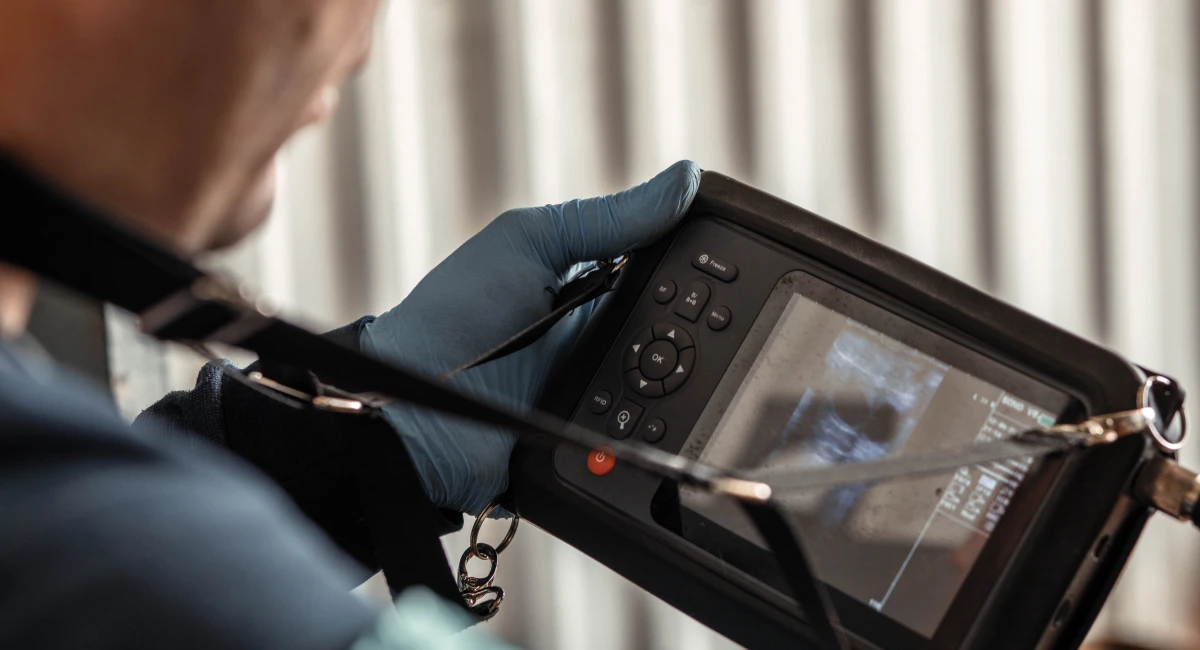
Real-Time Insights for Faster Intervention
In pharmaceutical storage, even minor pest activity can disrupt operations and compromise product integrity. Digital monitoring devices provide instant visibility, alerting teams the moment activity is detected. This allows managers to take action within hours rather than waiting for the next scheduled inspection.
If activity is detected near high-value or temperature-sensitive inventory, such as vaccines, containment measures can be activated immediately, helping prevent costly losses and avoiding compliance issues.
Turning Data into Preventive Action
Continuous monitoring doesn’t just identify current issues, it guides improvements that reduce future risks. In pharma warehouses, data can highlight the need to adjust loading dock schedules, seal small entry points, or rotate stored goods more frequently in warm months to deter stored-product pests.
Because these measures are based on live, site-specific information, they are more effective than generic seasonal treatments and align with the cGMP focus on preventive controls.
Consistency Across Multiple Sites
Many pharmaceutical distributors operate several warehouses, each with its own environmental challenges. Digital pest monitoring platforms consolidate all sites into one dashboard, giving quality leaders a complete view of performance and compliance.
Centralized oversight ensures consistent standards, faster escalation when issues arise, and easier sharing of best practices between locations. This strengthens both compliance and supply chain resilience.
A Proactive Step for Pharma Compliance
By combining instant alerts, targeted prevention, and network-wide oversight, digital pest monitoring turns pest control into a continuous quality assurance process. Facilities that adopt this approach can close monitoring gaps, respond faster to threats, and maintain audit readiness, meeting cGMP requirements while protecting products and brand reputation.
Contact RK Environmental today for a consultation and discover how our decades of expertise can make your facility utilize digital monitoring.
Book Your Free Pest Inspection Today
Our local technicians will assess your property and recommend tailored solutions. Fast, friendly, and completely obligation-free.
- Safe, targeted treatments
- Local experts, fast response
- Trusted, trained technicians