© 2026 Rentokil North America © RK Environmental Services – All Rights Reserved.
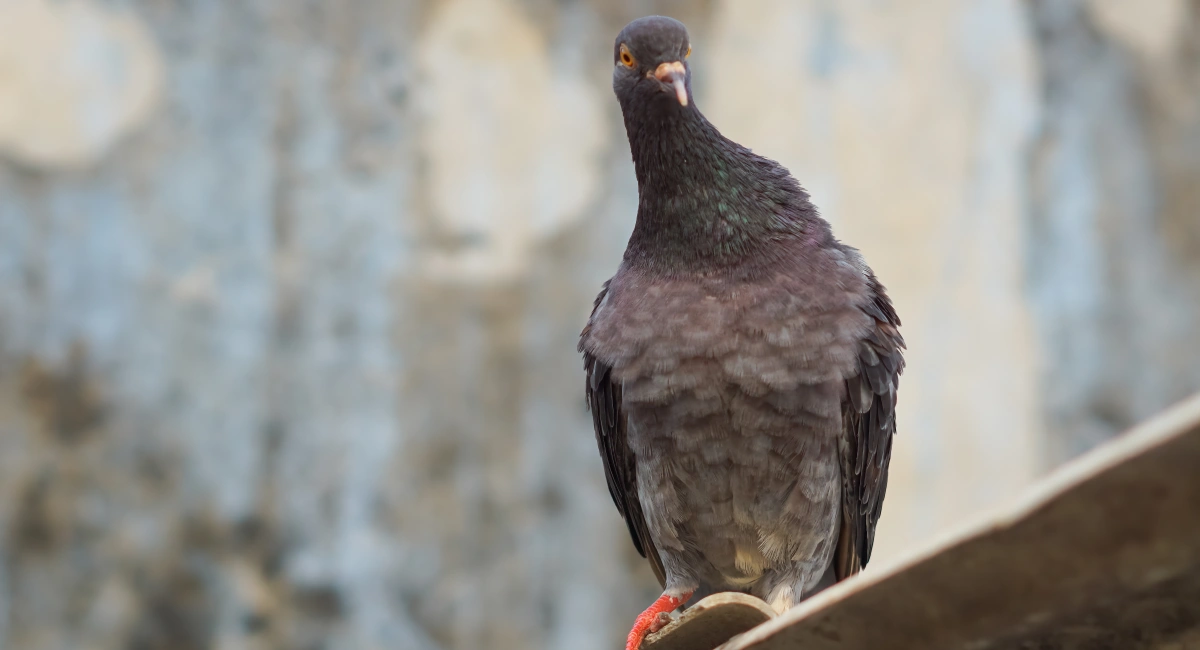
The very nature of food retail distribution centers, with continuous, high-volume throughput, combined with structural features such as cross-docking zones, open loading bays, and outdoor staging areas, makes these facilities highly vulnerable to bird problems and complicates exclusion management.
For food retail facilities approaching mid-year audits, bird exclusion should be front and center of pest management strategies to ensure facilities maintain acceptable standards and can stand up to scrutiny.
Why May Demands Attention
In May, birds actively seek sheltered, elevated structures for nesting, and open-dock environments offer exactly that. Overhead beams, canopy structures, and recessed lighting bays become high-value real estate.
Once nests are established, the dynamic changes. Transient bird activity becomes a near-permanent fixture: droppings accumulate faster, contamination risk increases where product is staged, sorted, or loaded, and the window for low-disruption intervention narrows. By mid-summer, organic buildup and property damage can be extensive, and remedial action much more expensive.
Acting before nesting becomes established is significantly more effective and less disruptive than managing entrenched bird populations mid-summer.
The Gap Between Deterrents and Programs
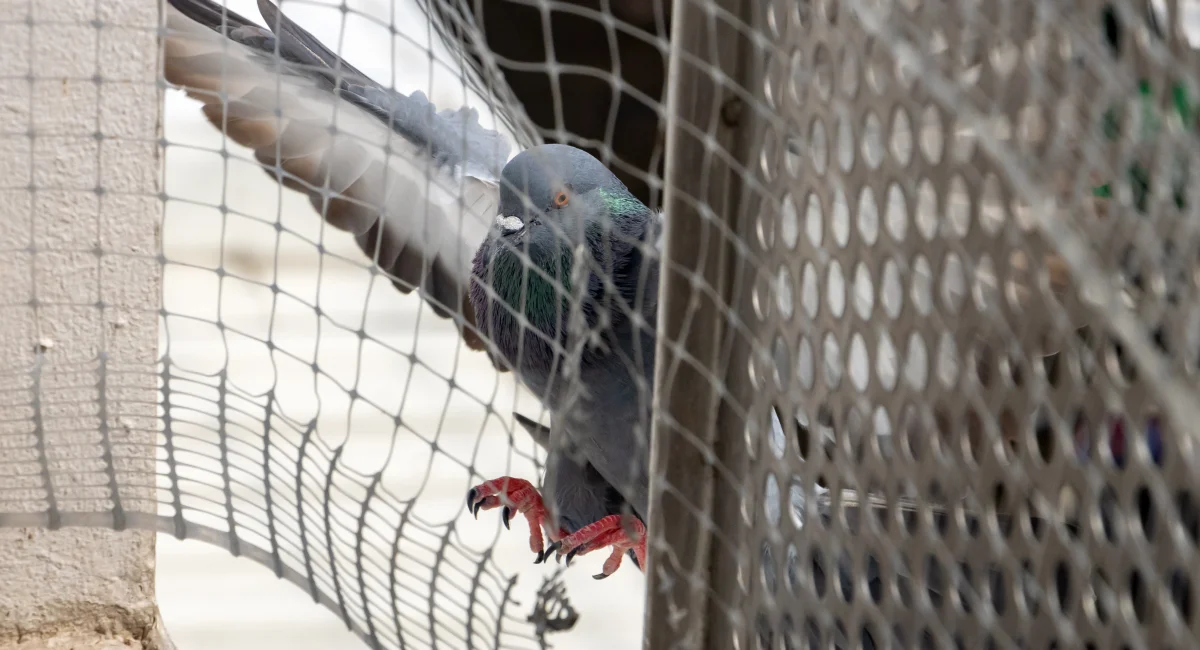
Most distribution centers are not starting from zero with bird control. Many already have spikes, netting, and intelligent deterrents around high-risk dock areas and staging zones. But hardware alone may not be enough to pass inspections.
Auditors are not simply looking for installed devices. They are evaluating whether those devices are part of a managed, documented system. A facility may have extensive netting in place, but if there is no record of inspection, no evidence of maintenance, and no corrective action trail, the installation alone does not satisfy audit expectations.
This is where many open-air facilities are exposed; not because they lack investment, but because the investment is not supported by the oversight structure that gives it credibility.
Building a Robust Exclusion Strategy
Exclusion in an open-dock distribution environment relies on a combination of physical, behavioral, and procedural controls, all engineered to function together across a site that remains partially open.
- Physical controls target the structural opportunities birds exploit like roosting ledges, nesting cavities, and overhead access points. These are the foundation, but they must be tailored to the specific architecture of each facility.
- Behavioral deterrents address activity patterns in high-traffic zones where physical exclusion is impractical. These are most effective when informed by monitoring data rather than applied generically.
- Monitoring and documentation tie the program together. Regular inspections, activity tracking, and recorded corrective actions transform individual measures into a defensible system. This is the layer most often missing, and the one auditors scrutinize most closely.
Programs built on this integrated model reflect the same principles that underpin commercial pest management in high-throughput environments, where prevention, detection, and response operate as a connected system.
The Audit Lens: What Defensible Looks Like
Third-party auditors evaluating bird management are typically assessing three things: awareness, action, and evidence.
- Awareness means the facility has identified where bird pressure exists and where it is most likely to develop. In open-dock environments, this requires site-specific risk mapping.
- Action means appropriate controls are in place and maintained. Installed deterrents must be functional, not degraded. Exclusion measures must reflect current conditions, not a one-time installation from years prior.
- Evidence means the program is documented. Inspection records, service reports, corrective action logs, and trend data all contribute to a picture of active management. Facilities that integrate bird management within broader food safety and compliance frameworks are better positioned to present this evidence coherently.
Without all three, even well-resourced programs can produce audit findings.
Exclusion That Works With Throughput
The most common pushback against dock-area bird exclusion is operational disruption. Distribution environments cannot afford bottlenecks, and any control measure that restricts access or slows vehicle movement will face resistance.
This is a legitimate concern, but it is also a design problem, not an inherent limitation of bird exclusion. Programs engineered around the facility's operational footprint, rather than imposed on it, maintain protection without creating friction.
This means understanding traffic patterns, peak loading schedules, and the physical constraints of each dock zone before specifying control measures. It also means selecting solutions that are compatible with the pace and scale of distribution operations, which is an area where experience with commercial bird control across large-scale facilities is directly relevant.
Before the Next Audit Cycle
The most useful exercise a distribution facility can undertake before mid-year audits is a simple one: walk the dock with fresh eyes.
Ask whether the current program would withstand scrutiny, not just in terms of what is installed, but in terms of what can be demonstrated. Is activity being monitored? Are corrective actions recorded? Does the program reflect the current risk profile, or does it reflect conditions from a previous assessment?
Birds that establish themselves in May become the resident pressure that defines summer operations. The work done now—in exclusion, in documentation, in program structure—determines whether that pressure is managed or merely tolerated.
A Conversation Worth Having
If your current bird management approach was designed for an enclosed environment, it may not account for the challenges of open-air distribution. A site-specific review can clarify where exclusion coverage, monitoring, or documentation may need strengthening, and ensure your program is positioned to perform when it really counts.
Book Your Free Pest Inspection Today
Our local technicians will assess your property and recommend tailored solutions. Fast, friendly, and completely obligation-free.
- Safe, targeted treatments
- Local experts, fast response
- Trusted, trained technicians