© 2026 Rentokil North America © RK Environmental Services – All Rights Reserved.
Quick Overview
- Thermal monitors ensure product stability but cannot detect hitchhiking pests on pallets, trailers, or insulated packaging
- Compressed receiving windows, holiday staffing shifts, and surging freight often force workers to rush physical inbound inspections
- As specialized pharma distribution speeds up, pest prevention must be integrated directly into fast-paced receiving workflows to avoid slowing operations
- To protect the facility and satisfy quality audits, you must be able to link any pest finding at the dock back to the specific carrier, load, and corrective action
Pharmaceutical logistics relies on strict temperature control. Automated sensors and real-time data loggers protect high-value products as they move through the supply chain. Yet, even the most advanced thermal monitors have a critical blind spot: they cannot detect pests or biological contamination on incoming loads.
As year-end pressure peaks in November, busy receiving docks face tight timelines and surging freight volumes. Implementing structured pharmaceutical cold-chain pest control and inbound verification ensures your products remain safe when temperature tracking alone is not enough.
November Operational Pressure on Receiving Docks
November can strain capacity at life-science distribution centers when receiving windows at cross-docks tighten due to three main factors:
- Holiday Staffing: Scheduled time off reduces the number of experienced workers on the dock, limiting the time available to process each shipment
- Seasonal Workers: Relying on temporary staff to handle year-end volumes introduces a learning curve, especially regarding strict inspection rules
- Relentless Scheduling: Operating around the clock to keep freight moving forces a constant trade-off between offloading speed and thorough oversight
At the same time, cargo must move off refrigerated trailers immediately to prevent temperature excursions that could damage sensitive products.
Under this pressure, dock teams naturally prioritize the most urgent compliance tasks: checking temperature logs, verifying seals, and clearing the dock doors. When physical pest inspections are rushed to maintain this rapid pace, hitchhiking pests get a quiet opportunity to slip into the facility unnoticed.
The Less-Visible Risk in Cold-Chain Logistics
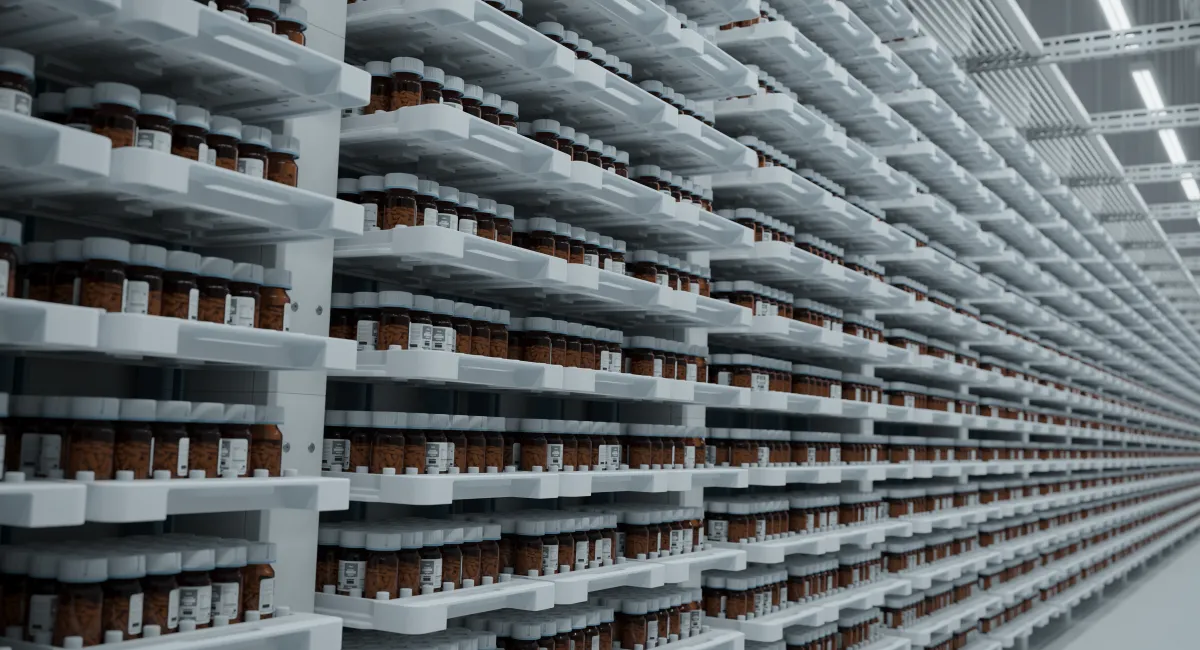
Refrigerated environments may slow pest activity, but cold temperatures do not eliminate the threat. Pests frequently hitch rides on external materials long before the cargo reaches a climate-controlled room. While sensors confirm thermal stability, they cannot see the insects or rodents hiding on packaging, containers, and transport equipment.
Inbound contamination typically enters through four key areas:
- Refrigerated Trailers: Rodents and insects can nest inside wall insulation, door seals, or the sub-flooring of trailers during idle transit periods
- Wooden Pallets: Cracks in wooden pallets create hiding spots for stored-product insects, beetle larvae, and moisture-seeking pests
- Reusable Plastic Containers (RPCs): Poorly sanitized totes can easily carry hidden egg cases, sticky residue, or small insects from one shipment to the next
- Insulated Outer Packaging: Corrugated boxes and foam shippers held in third-party warehouses can harbor pests deep inside their outer layers
Current Industry Context: High-Throughput Expansion
The rapid growth of specialized pharmaceutical distribution centers highlights the need for tighter pest prevention. For example, recent investments in healthcare cold-chain hubs near Chicago O’Hare reflect the industry's growing need for fast, seamless air-freight transfers to support global bio-pharma supply chains.
At these high-speed hubs, thousands of pallets move daily through international imports, air transfers, and rapid cross-docking. Higher throughput naturally increases the risk of pest entry. Implementing strict cross-dock pest prevention and structured cold-chain risk management protects these large-scale operations from costly quarantine delays and ruined products.

Strengthening Compliance and Inbound Verification
Meeting FDA, Current Good Manufacturing Practice (cGMP), and Good Distribution Practice (GDP) standards requires complete visibility at every handoff. Maintaining strict pharmaceutical supply chain compliance depends heavily on audit-ready records that verify incoming shipments are clean and uncontaminated.
A clear inbound inspection process helps receiving staff stop pests at the dock door. By standardizing trailer and freight checks, quality teams can easily prove they have complete control over every logistics handoff.
Thorough pest-control records prove to auditors that your facility responds instantly and correctly whenever contamination is found.
The Decision-Maker Question for Quality Teams
When pests are found at the receiving dock, you need to isolate them instantly. To test your preparedness, ask one crucial question: Can your facility link a pest finding to the specific carrier, load, staging area, and corrective action?
Before your next audit or peak shipping week, pull a few recent receiving logs and trace them backward. Verify that trailer seal checks include a quick look at pallet undersides, confirm that seasonal staff know how to flag damaged packaging, and check that any dock sighting triggers a documented hold.
Temperature sensors only tell part of the story. To see how connected traps and structured logs close those visibility gaps across your facility, read our guide to pest monitoring in pharmaceutical warehouses or connect with RK Environmental when you want a second set of eyes on your inbound receiving controls.
Book Your Free Pest Inspection Today
Our local technicians will assess your property and recommend tailored solutions. Fast, friendly, and completely obligation-free.
- Safe, targeted treatments
- Local experts, fast response
- Trusted, trained technicians