Description
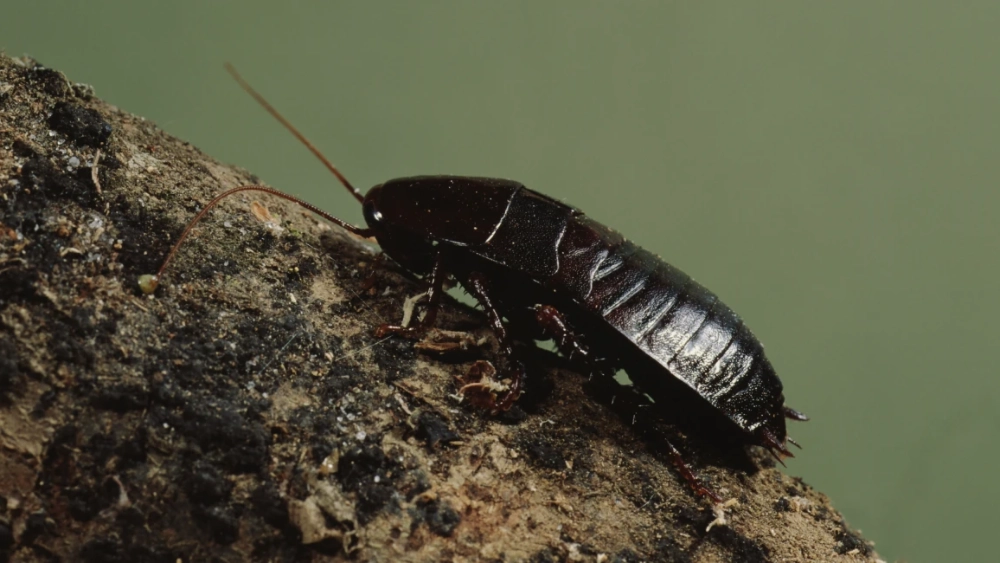
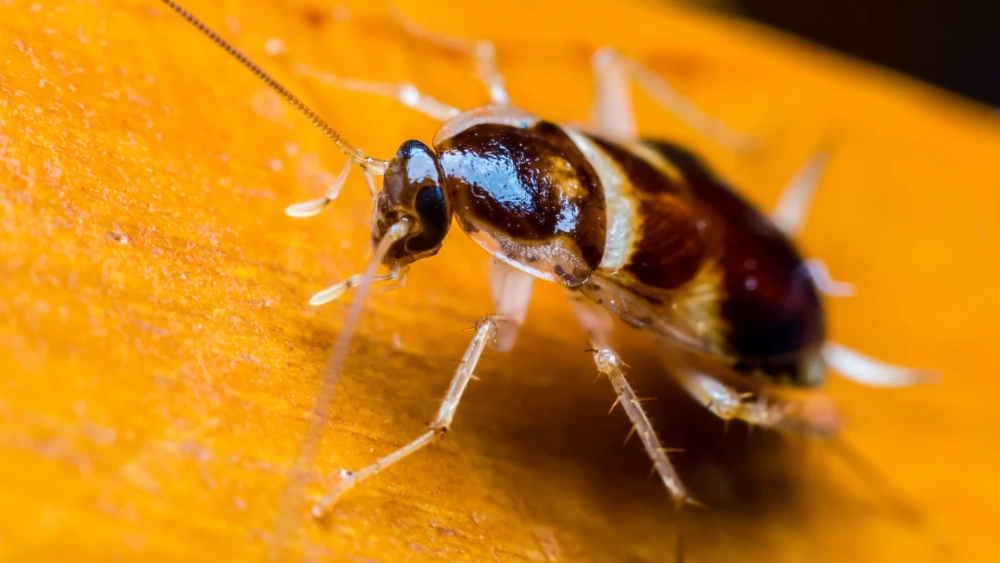
The American cockroach is the largest of the house-infesting cockroach species, measuring up to 2.1 inches in length. Despite its name, it's not native to North America and is believed to have arrived via ships from Africa in the early 1600s. Adults are reddish-brown with a distinctive yellowish figure-eight marking on the back of the head, and both males and females have fully developed wings.
Habits
American cockroaches are nocturnal and prefer warm, damp environments, thriving at temperatures between 70 and 80 degrees Fahrenheit. They're opportunistic scavengers and will feed on almost anything: decaying matter, grease, crumbs, pet food, soap, and even book bindings. They typically enter buildings through drains, pipes, gaps in foundations, and poorly sealed doors or windows, before taking up residence in basements, bathrooms, kitchens, and laundry rooms.
Threats
American cockroaches are a public health concern. They've been reported to carry at least 33 types of bacteria, including E. coli and Salmonella, which they spread across food preparation surfaces and utensils as they forage. Their droppings, shed skins, and saliva also contain allergen proteins that can trigger asthma attacks and allergic reactions, particularly in children.
Habitat
American cockroaches are found worldwide and thrive in warm, moist environments both indoors and out. Outdoors, they commonly shelter in woodpiles, mulch beds, hollow trees, and beneath garden debris. Indoors, they gravitate towards basements, crawl spaces, sewers, and drains, and are frequently found in commercial kitchens, food processing facilities, hospitals, and restaurants where warmth and food sources are plentiful.
Prevention
Fix any leaking pipes and reduce moisture in basements, bathrooms, and crawl spaces, as American cockroaches are drawn to damp conditions. Seal cracks and gaps around foundations, utility entry points, and doors to block common access routes. Store food in airtight containers, clean up spills promptly, and avoid leaving pet food out overnight. Outdoors, keep woodpiles and garden debris well away from the building and trim back plants that touch external walls.