800-996-4402 Schedule a Complimentary Consultation Contact us

German Cockroach Identification

German cockroaches are a common indoor pest in commercial food and pharmaceutical settings. Their small size and hidden nests can make them hard to spot, but early German Cockroach identification can help you catch an infestation before it gets out of control.

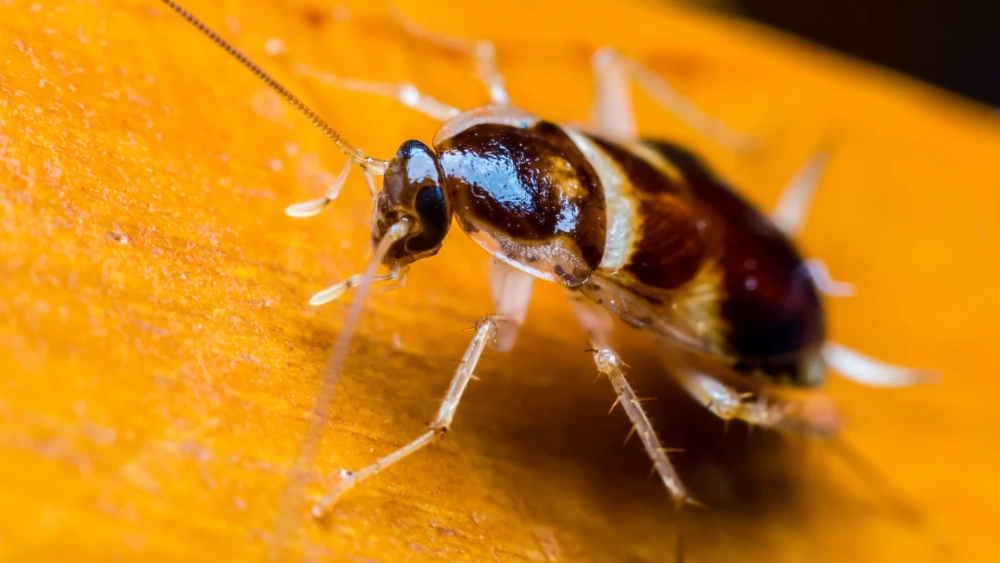
Color: Light brown to tan, with two dark, almost parallel stripes located on their backs, just behind their heads

Legs: Six

Shape: Oval

Size: ½-5/8 inches long

Antennae: Yes

Region: Found throughout the United States

German Cockroach Characteristics

To deal with a cockroach infestation properly, you need to understand their characteristics. German cockroaches are highly adaptable and quick to spread. One of their most noticeable traits is their ability to reproduce rapidly. Their populations can multiply in just weeks, as a female can carry dozens of eggs at one time. Their flat bodies allow them to hide in small cracks, making it easy for them to spread unnoticed and hard to treat with store-bought products.

They thrive indoors, preferring consistently warm and humid environments. You'll often find them in commercial kitchens,  and storage rooms; anywhere they can stay close to food, water, and shelter.

brown banded cockroach on orange brown wood

What Is A German Cockroach?

German cockroaches are an indoor species that has adapted well to living near people. Unlike other cockroach types that may travel in and out of buildings, German cockroaches breed entirely indoors. Their diet includes nearly any organic material, and they are especially drawn to crumbs, grease, and other food waste.

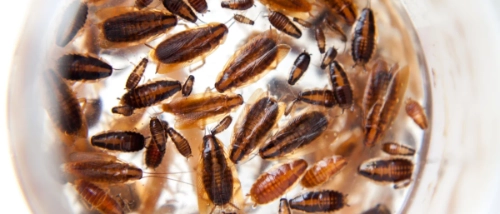
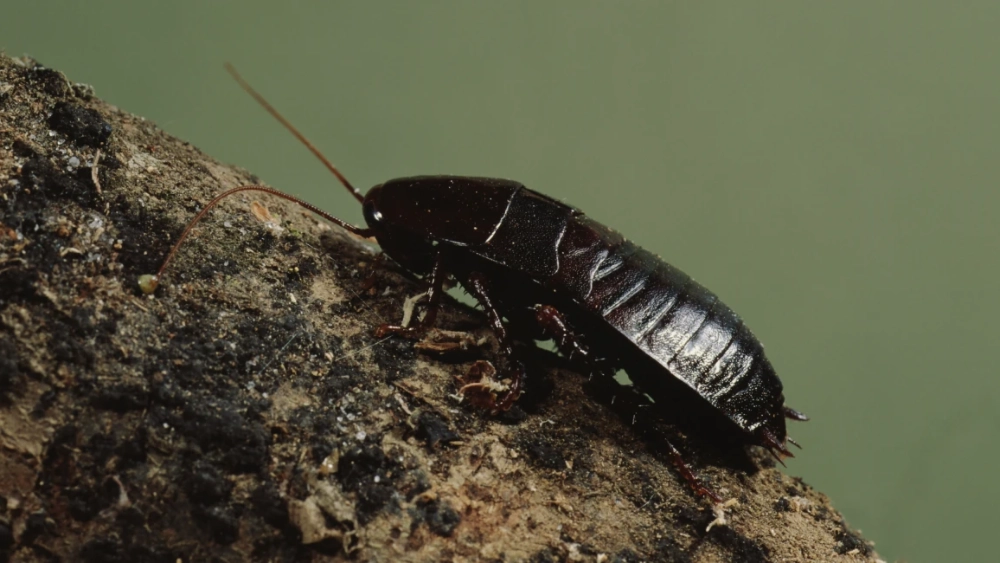
German cockroaches can also be compared to other species like the Oriental cockroach or the brown-banded cockroach. They all share similar nocturnal habits, are difficult to eradicate and pose health concerns.  However, the German variety is more commonly found in food handling environments, such as processing plants and commercial kitchens. Noticing one or two German cockroaches typically signals an established infestation in that area.

Habits

German cockroaches will feed on almost anything, including soap, glue, and residue left on equipment or packaging. They are good hitchhikers and can enter facilities through loading bays during routine deliveries.

The German cockroach is nocturnal, staying hidden during the day and becoming active at night when searching for food and water. It relies on tiny entry points and  tends to stay near its nesting site. If you see one during the day, it may indicate a large population with overcrowded hiding spots.

Threats

German cockroach activity has been linked to illness and allergic reactions in some people. They can carry at least 33 types of bacteria, six types of parasitic worms, and at least seven other human pathogens. 

As they crawl through decaying matter or sewage, they may pick up germs on their legs and bodies, which can then transfer to food and surfaces. Allergens from German cockroaches are known to trigger allergic reactions and may worsen asthma symptoms, particularly in children. That’s why it’s important to stay on top of German cockroach control.

 German Cockroach Habitat

The German cockroach habitat is typically indoors, where warmth, moisture, and food are readily available. Common nesting areas include spaces behind appliances or machinery under sinks, and around plumbing.

They prefer locations where they can stay out of sight and avoid human contact. Cracks in walls, gaps behind baseboards, and cluttered storage areas provide perfect conditions. Infestations can grow before you notice the signs because they reproduce so quickly and prefer to remain hidden.

Prevention

Good sanitation is the key to preventing German cockroach infestations. Remove food sources by keeping food preparation areas clean, storing food in sealed containers, and reducing moisture by fixing leaks. Regularly vacuuming and emptying trash can also help limit their access to nutrients.

Sealing up entry points is another crucial step. This includes repairing cracks, installing door sweeps, and filling crevices in walls. While these actions can reduce risk, they may not address hidden egg cases or adult cockroaches already in the structure.

DIY methods are not advised when it comes to cockroach control. When disturbed, cockroaches often retreat deeper into hiding places, only to return once treatment wears off. Call on Professionals, such as our team at RK Environmental, to help with long-term protection and to address the full scope of an infestation.

 German Cockroach Pest Control

When sanitation and exclusion aren't enough, it's time to call in the experts. At RK Environmental, our technicians understand cockroach behavior, reproduction, and hiding spots, allowing us to tailor control strategies to your needs.

Treatment typically includes targeted solutions that reach deep into harborage areas, something over-the-counter sprays can't do effectively. Because these pests breed rapidly, ongoing monitoring and maintenance are often needed to keep populations down.

While DIY traps and baits may catch some cockroaches, they won't reach the egg cases hidden in walls or under appliances. For businesses that rely on a clean environment, professional services will reduce risk and protect your space from re-infestation.
Related Pests

Frequently Asked Questions

German cockroaches have wings, but they don't fly. They mostly run to get around.

German cockroaches are tough to control because they hide in small spaces and reproduce quickly. DIY methods may only offer short-term relief, so it's best to bring in professionals to help tackle the root cause.

A German cockroach can produce hundreds of offspring in a year, so acting fast and calling in a technician is key to helping prevent an infestation from spreading.

Yes, German cockroaches can hide in electronics where it's warm and dark. This makes it harder to reach them without expert help.

German cockroaches have a wide-ranging diet, consuming crumbs, grease, and garbage. They will also feed on non-food items such as soap, toothpaste, and the glue in book bindings, as well as on dead cockroaches and their droppings.

German cockroaches thrive in environments offering warmth, humidity, reliable food sources, water, and abundant shelter in tight, dark crevices for protection and rapid reproduction.

Despite their name, German cockroaches are thought to originate from Asia. However, they were first discovered in army food stores in Germany, which is how they got their name.

Get in touch

About Us

Learn about RK Environmental, a leading provider of commercial pest control and food safety solutions. We are committed to protecting businesses across a variety of industries with expert services.