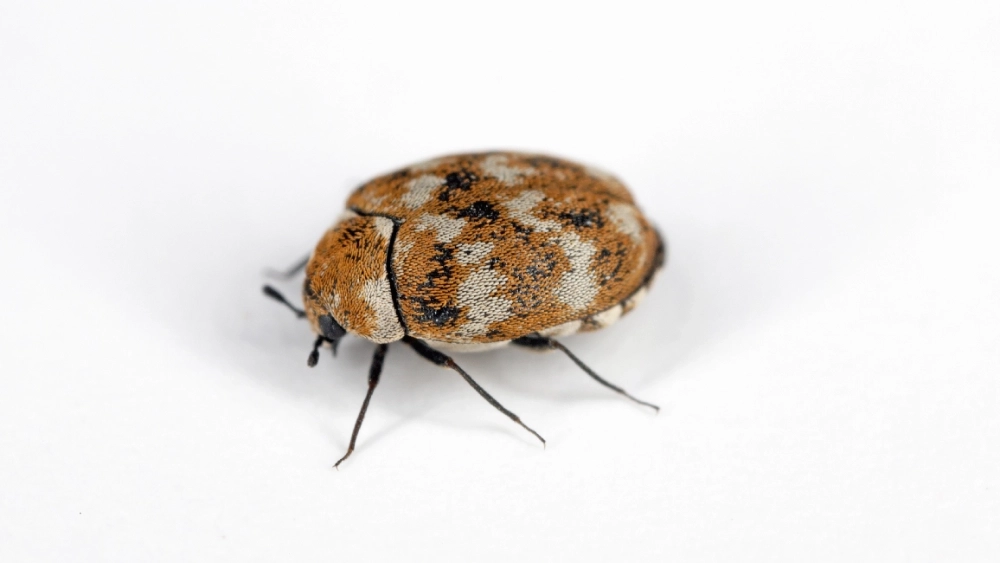
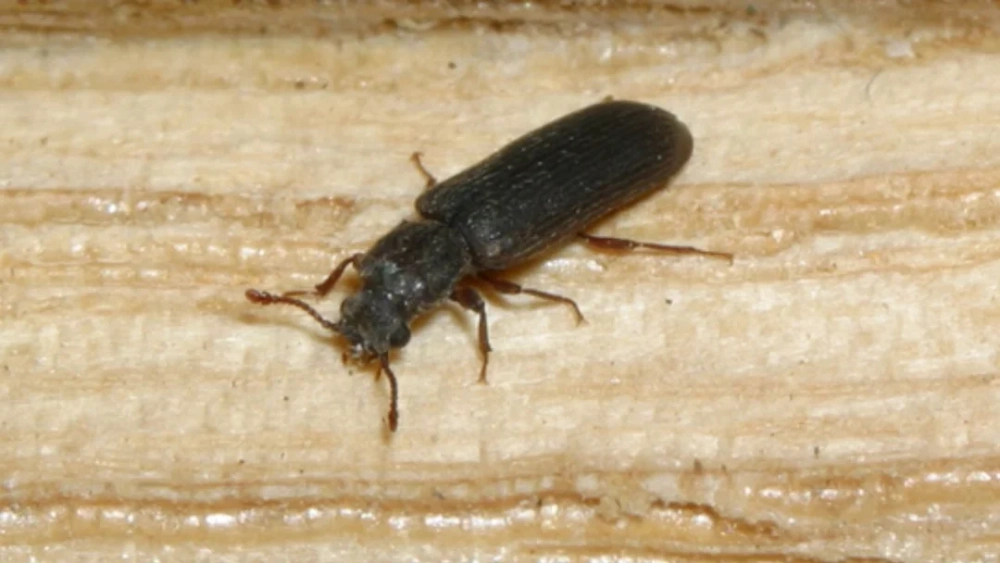
Description
Merchant grain beetles are tiny, flat-bodied insects measuring just one-tenth of an inch in length. They're brown, narrow, and built to squeeze through the smallest of gaps, including the seams of sealed food packaging. Their flat profile makes them difficult to spot and even harder to keep out, making early identification essential for protecting stored goods.
Habits
Merchant grain beetles prefer dry, processed foods with low moisture content, commonly infesting cereals, pasta, dried fruits, nuts, and milled grain products. Their flattened bodies allow them to slip through tiny cracks in packaging, giving them access to goods that appear sealed and secure. Adults are strong climbers and highly mobile, often spreading from their original source to other areas of a home or facility in search of new food.
Threats
A merchant grain beetle infestation can contaminate large quantities of stored food quickly. Because they lay eggs directly on or near food sources, infested products can show signs of clumping, off-odours, or visible beetle activity before the problem is caught. Their rapid reproduction – with development from egg to adult taking as little as three weeks – means a small problem can escalate fast if left untreated.
Habitat
Merchant grain beetles are found wherever suitable food sources are stored, including kitchen cupboards, pantries, warehouses, and food processing facilities. They often establish in overlooked spots such as behind storage shelves, inside packaging equipment, or in the cracks and seams of containers. They can also enter a home or facility through infested products brought in from outside, making incoming goods a common entry point.
Prevention
Store all dry food products in airtight, hard-sided containers and rotate stock regularly to ensure older items are used first. Keep storage areas clean, dry, and well-organised, and inspect new groceries or deliveries before putting them away. Reducing humidity in storage spaces can make conditions less favourable for these beetles. If an infestation is suspected, act quickly – the sooner the source is identified and removed, the less chance there is of it spreading to other products.